
"coffee in the Civil War"
500 article(s) found

A brief History of Coffee production in El Salvador Renas Manor in the Santa Ana volcano area
In 1742, coffee was introduced to El Salvador from the Caribbean (1740). In the mid-19th century, El Salvador's original export pillar Indigo (one of the dyes) received a gradual decline in the development of synthetic dyes in Europe, and coffee gradually became the main export product under the guidance of the government. In 1856, the first 693 bags of coffee beans were shipped to Europe. Until the second World University.
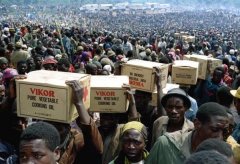
Introduction to the origin of coffee-"Rwanda, Burundi" of the African Department
For the exchange of professional baristas, please follow the coffee workshop (Wechat official account cafe_style) today to introduce the five East African countries, and then introduce the coffee from the five East African countries individually. In 2015, five East African Communities, including Kenya, Tanzania, Burundi, Rwanda and Uganda, proposed that five countries be merged into a federal state, using a common constitution, president, parliament and goods.

Introduction to the characteristics of El Salvador Himalayan coffee flavor varieties with smooth entrance
The civil war in the 1980s made many coffee farmers in war zones unwilling to spend agricultural fertilizer on coffee plantations, resulting in the fact of "organic planting". After the war, coffee plantations with organic cultivation were set up with the assistance of the government, and many of them obtained the Eco-ok certification of the Rainforest Alliance (Rain forest-Alliance). At present, 2000 hectares of coffee plantations have been organically certified.

Coffee flavor and taste characteristics of Costa Rican Goddess Manor introduction to the characteristics of high-quality coffee beans
In the 1948 general election, J.M.H, leader of the Social Democratic Party. Figueres Ferrer launched a civil war, seized power, set up a ruling council (see Costa Rican Civil War), and the people's Vanguard Party was outlawed. In 1949 Figueres Ferrer handed over power to the elected leader of the National Union Party, O. Ullat Blanco. In October 1951, led by Figueres Ferrer, the people were founded

El Salvador Coffee Bean Flavor Description Grind Scale Production Area Variety Treatment Taste Introduction
El Salvador coffee beans flavor description grinding scale production area variety processing method taste introduction El Salvador coffee and Mexico, Guatemala tied for Asa, Mexico set around the country of production, and is competing with other countries for the top one or two in Central America. Highland origin, for the size of large coffee beans, fragrant taste mild. Salva, like Guatemala and Costa Rica,

Brief introduction of Salvadoran Coffee introduction of Salvadoran Coffee Manor with washing treatment and Sun drying
A brief History of Coffee production in 1742, coffee was introduced to El Salvador from the Caribbean (1740). In the mid-19th century, El Salvador's original export pillar Indigo (one of the dyes) received a gradual decline in the development of synthetic dyes in Europe, and coffee gradually became the main export product under the guidance of the government. In 1856, the first 693 bags of coffee beans were shipped to Europe. all long

Introduction to Mercedes Manor in El Salvador Coffee Manor
Savanna climate. The plain area belongs to the tropical rain forest climate and the mountain area belongs to the subtropical forest climate. The average annual temperature is 25-28 ℃. The annual precipitation is more than 1800 mm in mountain areas and about 1000 mm in coastal areas. The rainy season is from May to October. Don't underestimate El Salvador's coffee production. In its heyday, it was the world's fourth largest coffee producer, but decades of civil war almost dragged down coffee

The overall soft, slightly sour Salvador coffee estate introduction Renas estate
Savanna climate. Plain area belongs to tropical rain forest climate, mountain area belongs to subtropical forest climate. The annual average temperature is 25-28℃, the annual precipitation in mountainous areas is more than 1,800 mm, and that in coastal areas is about 1000 mm. May-October is the rainy season. Don't underestimate El Salvador's coffee production. In its heyday, it was the world's fourth-largest coffee producer, but decades of civil war nearly brought coffee down.

A brief introduction to the cultivation of boutique coffee beans in Chimeier Manor with a long aftertaste, geographical location, climate and altitude
Rwanda's economy is dominated by agriculture. The population engaged in agriculture and animal husbandry accounts for 92% of the country's population. The main cash crops are coffee, tea and cotton. Because it is an agricultural and animal husbandry country, coupled with the loss of many young workers caused by the genocide in 1994, it is a huge blow to a country that is not already rich, and Rwanda is still a backward country. Luwang after the Civil War

Salvadoran coffee with a nice sweetness Taste Manor Features of the region Renas Manor
A brief history of coffee production In 1742, coffee was introduced into El Salvador from the Caribbean (one said 1740). In the mid-19th century, El Salvador's original export pillar Indigo (Indigo, a dye) gradually declined due to the development of synthetic dyes in Europe, and coffee gradually became the main export product under the leadership of the government. In 1856, the first 693 bags of coffee beans were shipped to Europe. always

Introduction to the flavor and taste characteristics of El Salvador Himalayan coffee manor
Savanna climate. The plain area belongs to the tropical rain forest climate and the mountain area belongs to the subtropical forest climate. The average annual temperature is 25-28 ℃. The annual precipitation is more than 1800 mm in mountain areas and about 1000 mm in coastal areas. The rainy season is from May to October. Don't underestimate El Salvador's coffee production. In its heyday, it was the world's fourth largest coffee producer, but decades of civil war almost dragged down coffee
How much is the coffee bean? where can I buy Salvadoran coffee beans?
Area: 210.41 million square kilometers Climate: tropical climate, temperature varies slightly with altitude; May to November rainfall is greater Capital: San Salvador (San Salvador) language: Spanish; other: Indian dialect currency: Colon [country profile]: El Salvador is the largest in Central America.

Introduction to the method of describing the Flavor of El Salvador Himalayan Coffee Manor
Savanna climate. The plain area belongs to the tropical rain forest climate and the mountain area belongs to the subtropical forest climate. The average annual temperature is 25-28 ℃. The annual precipitation is more than 1800 mm in mountain areas and about 1000 mm in coastal areas. The rainy season is from May to October. Don't underestimate El Salvador's coffee production. In its heyday, it was the world's fourth largest coffee producer, but decades of civil war almost dragged down coffee

Rwanda Ambarkanda Cooperative AA boutique coffee beans recommended _ how to roast Rwandan coffee beans
Professional coffee knowledge exchange more coffee bean information please follow the coffee workshop (Wechat official account cafe_style) recently because of the excellent quality of coffee frequently attracted the attention of the boutique coffee industry-- Rwanda, in fact, the development of coffee cultivation industry was not plain sailing in Rwanda once had an annual output of 45000 tons of raw beans, but it happened in 1994 when millions of people were killed.

Description of Flavor and taste of boutique Coffee beans in El Salvador Coffee producing area
Republic of El Salvador, Repblica de El Salvador in Spanish, the Republic of El Salvador in English. It is located in Central America, bordering Guatemala and Honduras in the north, and the Pacific coastline in the west and south. The smallest country in Central America and the most densely populated country in Central America. The land area is 21393 square kilometers.

A brief introduction to the history and culture of the origin and development of Salvadoran Himalayan coffee
Don't underestimate El Salvador's coffee production. In its heyday, it was once the fourth largest coffee producer in the world, but decades of civil war almost dragged down the coffee industry. fortunately, the war has stopped in recent years, and the coffee industry has come back to life. The only benefit that the civil war brought to the country of El Salvador was that the farmers left their fields barren and failed to catch up with the most popular Katimo sun-exposed cultivation train in the past two decades.

Granular, full-bodied El Salvador coffee estate. Flavor, taste, characteristics. Boutique coffee.
Savanna climate. Plain area belongs to tropical rain forest climate, mountain area belongs to subtropical forest climate. The annual average temperature is 25-28℃, the annual precipitation in mountainous areas is more than 1,800 mm, and that in coastal areas is about 1000 mm. May-October is the rainy season. Don't underestimate El Salvador's coffee production. In its heyday, it was the world's fourth-largest coffee producer, but decades of civil war nearly brought coffee down.
Is Rwanda washed red bourbon plus tahe coffee beans good? Rwanda washing red bourbon hand punching parameters
For more information on coffee beans, please follow the coffee workshop (Wechat official account cafe_style) [Workshop Gattaba, Rwanda] Epiphanie Muhirwa, who survived the Rwandan civil war massacre, and a partnership between the Development Bank of Rwanda, Rwandan Development Bank, and the U.S. Foreign Aid USAID Pearl Project (PEARL project).
Flavor description of Salvadoran coffee beans introduction to the manor of taste by variety treatment
El Salvador coffee beans flavor description grinding scale variety treatment taste manor introduction and government-controlled marketing and export is even more disadvantageous to the whole industry! In the first year of the establishment of Incafe, coffee production fell from 175000 tons in 1979 to 141000 tons in 1986, of course, as a direct result of producers' reluctance to invest again; Incafe not only charged 50% of the export price of raw beans exported.

Description of coffee flavor in Renas Manor in El Salvador introduction to taste characteristics of boutique coffee beans
Salvadoran coffee ranks side by side with Mexico and Guatemala as the producers of Asa and Merdo, and is fighting for the top one or two places in China and the United States with other countries. The highlands of origin are large coffee beans of all sizes, which are fragrant and mild in taste. Like Guatemala and Costa Rica, coffee in El Salvador is graded according to altitude, and the higher the altitude, the better the coffee